Posted on — Leave a comment

Condensate Drain Leak Inside a Wall

Bad connection inside the wall

Over the weekend, I got a call from a regular customer who manages a two-story building. Water was showing up inside a wall and had already started getting the floor and carpet wet. Before I started, I warned him that we were probably going to have to open the wall to find the source of the leak.

Once I opened it, we found the problem. An air-conditioning condensate drain had been connected to the building drain with a wye concealed inside the wall. The connection had come loose, so every time the unit produced condensate, some of that water was draining directly into the wall instead of into the drainage system.

There was another problem with the installation: condensate drainage has specific plumbing-code requirements. You can’t simply make a concealed direct connection to a sanitary drain because there happens to be one nearby. The condensate has to discharge through an approved method that protects the system from the sanitary drainage system and also allows the connection to be properly serviced.

We removed the improper connection from inside the wall and rerouted the condensate to the bathroom lavatory plumbing at an approved location above the P-trap. It’s a relatively small plumbing detail, but when it’s done incorrectly and hidden inside a wall, a small amount of condensate can eventually cause a considerable amount of water damage.
Posted on — Leave a comment

Replacing a Corroded Steel Septic Tank With a 1,500-Gallon Poly Tank

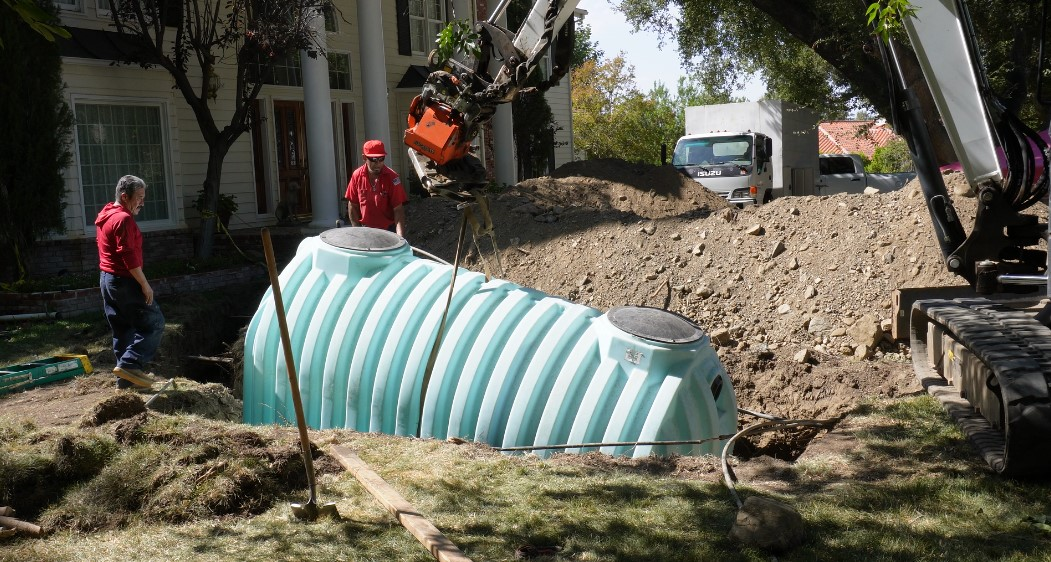
We recently worked alongside another plumbing contractor on the replacement of an old septic tank. When the existing tank was exposed, it was easy to see why it needed to go. It was an older steel-frame tank that had become completely corroded over the years and was ready for replacement.

The project took us three days, and our part of the job was handling the heavy equipment work. We excavated for the new tank, moved and managed the soil throughout the installation, and compacted the area as the work was completed. The other contractor handled the septic piping and customer coordination. Working together allowed each of us to concentrate on our part of the project.

The replacement was a 1,500-gallon polyethylene septic tank. One of the things I like about these projects is that the plumbing itself is only one part of a successful septic tank replacement. Excavation, safely handling a large tank, controlling the dirt, getting everything where it needs to be, and properly backfilling and compacting the excavation are all a big part of the job.

Posted on — Leave a comment

What We Found During a Sewer Camera Inspection in Pacific Palisades

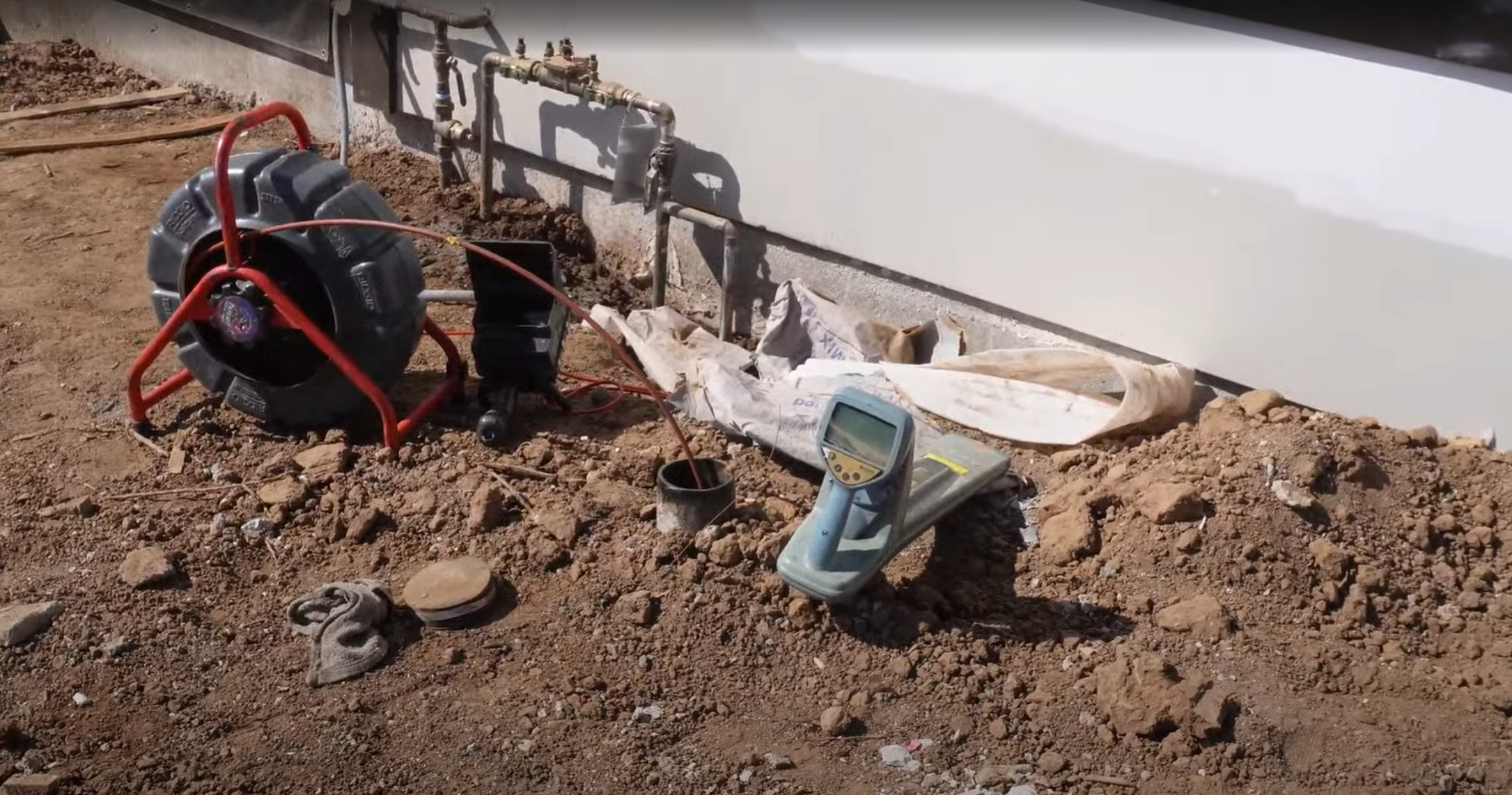
Sewer camera inspection equipment at a fire-damaged Pacific Palisades property

We recently performed a sewer camera inspection at a home in Pacific Palisades that was destroyed during the fires. The inspection was performed through the sewer cleanout at the front of the property, but unfortunately we didn’t make it very far. The sewer line was completely closed off before we could get beyond the front yard.

We excavated the area where the camera stopped and found a section of ABS pipe connected to the existing clay sewer line. The ABS had been severely damaged by heat—it was distorted and had holes burned through it. Based on what we found, the heat had traveled through the sewer system during the fire and damaged the piping underground.

A camera inspection can tell us much more than whether a sewer is simply clogged. In this case, it helped us locate an underground section of pipe that had suffered significant fire damage and couldn’t have been identified from the surface.

Sometimes the first step in rebuilding is finding out what survived underneath it.